Narnia Movie Summary: The Lion, the Witch and the Wardrobe
Spoiler warning: this article covers the full story of the film, including the ending.
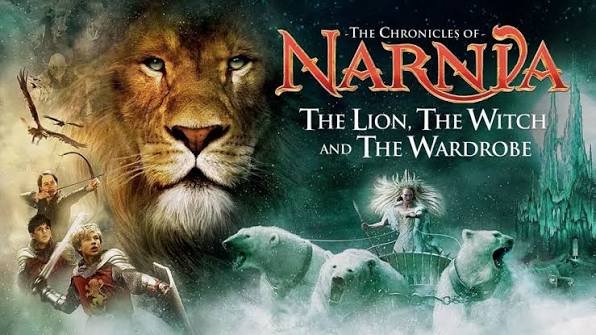
Few fantasy stories have captured imaginations the way The Chronicles of Narnia has. Based on C.S. Lewis’s 1950 novel and directed by Andrew Adamson, The Chronicles of Narnia: The Lion, the Witch and the Wardrobe (2005) brought the magical land to the big screen. It is the first film in the series and remains the most beloved. Here’s a full summary of the story, its main characters, and what makes it endure.
The Setting: A Family Sent Away From War
The story opens in London during World War II. As German bombs fall, the four Pevensie siblings are sent to the countryside to stay safe:
- Peter, the eldest, who tries to take charge of the family.
- Susan, sensible and cautious.
- Edmund, stubborn and resentful, often at odds with Peter.
- Lucy, the youngest, curious and full of wonder.
They are placed in the large, mysterious house of an elderly Professor, and while exploring on a rainy day, they find a room containing only an old wardrobe.
Lucy Discovers Narnia
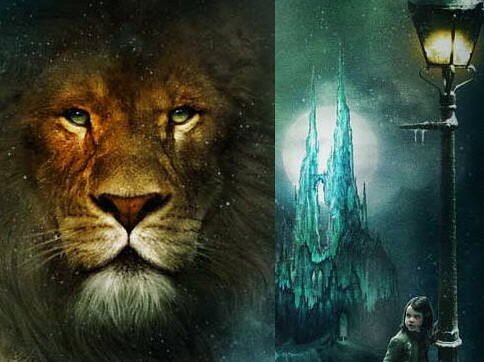
Lucy, playing hide-and-seek, steps into the wardrobe and pushes past the fur coats. To her surprise, she finds herself in a snowy forest under a lamppost. There she meets Mr. Tumnus, a kind-hearted faun, who invites her to tea.
Lucy learns that this land is called Narnia and that it has been trapped in endless winter, without a single Christmas, under the rule of the White Witch, Jadis. Tumnus admits he was supposed to hand any human over to the Witch, but he can’t bring himself to betray his new friend, and he lets Lucy go home.
Lucy returns and tells her siblings, but hardly any time has passed, and no one believes her. The wardrobe, when they check, is just a wardrobe.
Edmund’s Betrayal
Later, Edmund follows Lucy into the wardrobe and finds himself in Narnia too. He meets the White Witch herself, who flatters him and gives him enchanted Turkish Delight. Desperate for more, and promised that he could become a prince, Edmund agrees to bring his brother and sisters to her castle.
When he returns, he lies and tells Lucy that Narnia was only make-believe. Before long, all four children step through the wardrobe together, and Lucy’s story is proven true. They discover that Tumnus has been arrested for helping her.
Meeting Aslan and the Beavers
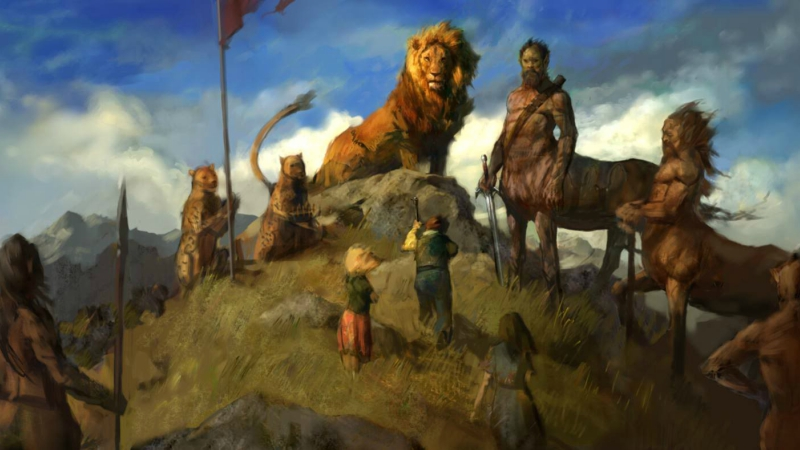
The children meet Mr. and Mrs. Beaver, who tell them about an old prophecy: two Sons of Adam and two Daughters of Eve will come to Narnia, defeat the Witch, and end her reign. The Beavers also speak of Aslan, the great lion, the true king of Narnia, who has returned after a long absence.
While the others learn all this, Edmund slips away to find the Witch. The rest of the group decides to travel to meet Aslan, and on the way, signs of spring appear. The Witch’s power is weakening, and Father Christmas arrives, proof that winter is ending. He gives each of the children a gift: Peter receives a sword and shield, Susan a bow and horn, and Lucy a healing cordial and a small dagger.
The Cost of Edmund’s Mistake
Edmund quickly learns that the Witch is not the friend she pretended to be. She treats him cruelly and uses him to track his siblings. Meanwhile, the others reach Aslan’s camp, where they meet the great lion voiced by Liam Neeson.
Aslan sends rescuers to save Edmund, and once he’s back, the lion speaks with him privately. Whatever was said, Edmund is a changed boy, and he apologizes to his siblings.
But the Witch arrives and reminds Aslan of an ancient law called the Deep Magic: every traitor’s life belongs to her. If she doesn’t get Edmund’s life, she says, all of Narnia will be destroyed.
Aslan’s Sacrifice
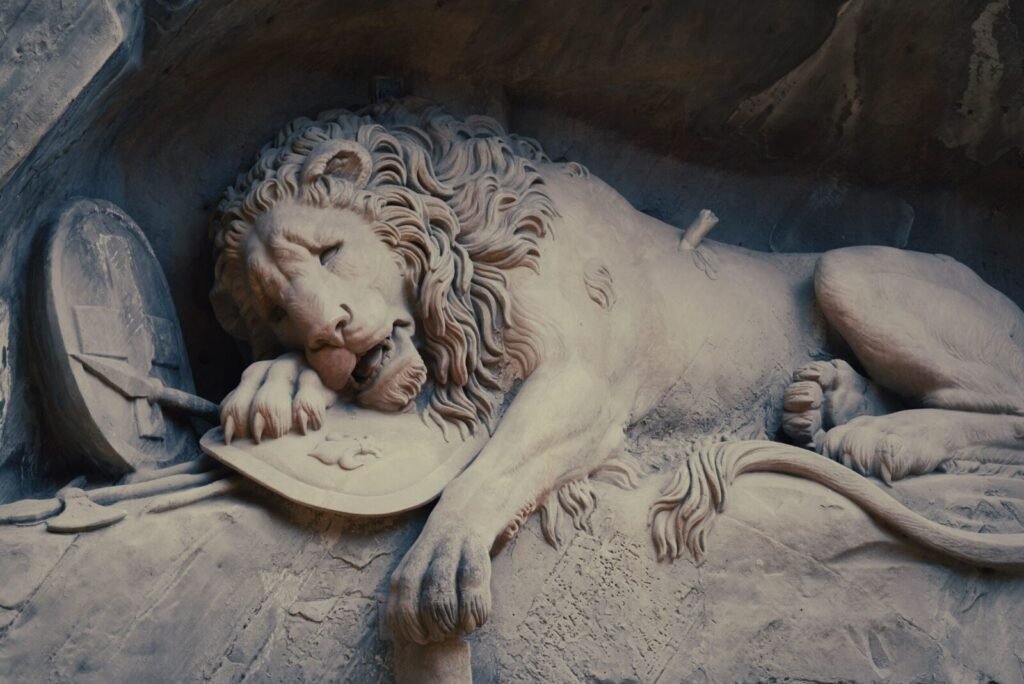
To save Edmund, Aslan offers himself in the boy’s place. In one of the film’s most emotional scenes, he walks to the Stone Table, where the Witch’s followers humiliate him and then kill him. Susan and Lucy, who secretly followed him, watch in tears and stay by his side through the night.
At sunrise, the Stone Table cracks and Aslan returns to life. He explains that there is a deeper magic, older than the Witch’s knowledge: when an innocent willingly dies in place of a traitor, death itself is reversed.
The Battle of Beruna
Peter, now leading Aslan’s army, faces the Witch’s forces in a great battle. The fighting is fierce, and the odds look bad until Aslan arrives with Susan and Lucy and a group of freed prisoners. Aslan confronts and defeats the White Witch, and Narnia is saved.
The Pevensies Become Kings and Queens
Winter ends, and the children are crowned at the castle of Cair Paravel:
- Peter the Magnificent, High King
- Susan the Gentle
- Edmund the Just
- Lucy the Valiant
They rule Narnia wisely for many years and grow up. One day, while chasing a white stag, they stumble back through the wardrobe, and they’re children again, in the Professor’s house, just moments after they left. The Professor, who somehow understands their story, tells them they may return someday, but that they won’t find Narnia by looking for it.
The Main Themes
Sacrifice and redemption. The heart of the story is Aslan’s willingness to give his life for Edmund. It shows that forgiveness can be costly and that even those who fail badly can be redeemed.
Courage in ordinary people. The Pevensie children start as scared, quarreling kids, and they become brave leaders. The film suggests that heroes are made through choices, not born.
Family and loyalty. The siblings’ relationships, especially the strained one between Peter and Edmund, are central to the story. Their reconciliation is as important as their victory over the Witch.
Faith and belief. Lucy is the first to believe in Narnia, and no one takes her seriously. The story values belief even when others doubt.
C.S. Lewis himself described the story as an imaginative “supposal” of what might happen if a world like Narnia had its own Christ-like figure. Many viewers read it as a Christian allegory, while others enjoy it purely as a fantasy adventure. Either way, the story works on many levels.
The Cast and Performances
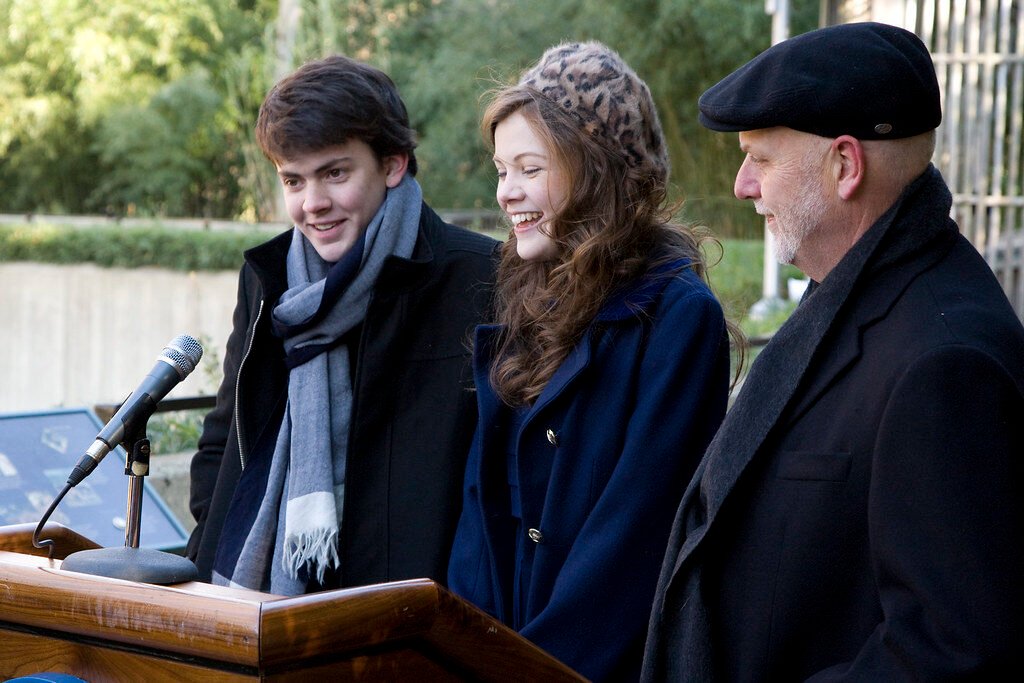
The film’s success owes a lot to its cast. William Moseley, Anna Popplewell, Skandar Keynes, and Georgie Henley play the Pevensie siblings with real chemistry, and Henley’s performance as Lucy is a standout. Tilda Swinton gives the White Witch a chilling, icy calm, and James McAvoy is warm and touching as Mr. Tumnus. Liam Neeson’s voice gives Aslan the authority and gentleness the role needs.
The film was a global box office success, earning well over $700 million worldwide, and it won an Academy Award for Best Makeup.
What Came After
The film’s success led to two sequels: Prince Caspian (2008) and The Voyage of the Dawn Treader (2010). Each returns the Pevensies to Narnia in new adventures, though many fans still consider the first film the strongest.
Final Thoughts
The Lion, the Witch and the Wardrobe remains a wonderful family film. It has adventure, humor, and emotional depth, and it has a message that people of many backgrounds can appreciate. Whether you’re revisiting it as an adult or introducing it to your children, it’s a reminder that the best stories often begin behind an ordinary door.
Have you visited Narnia? Tell us your favorite scene or character in the comments below!