The Notebook: A Complete Movie Summary
Overview
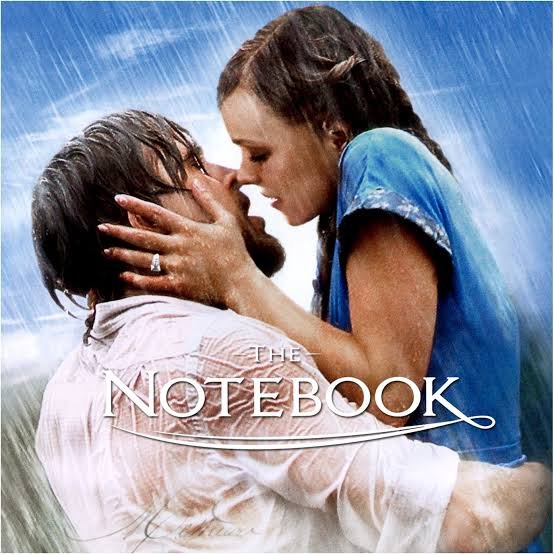
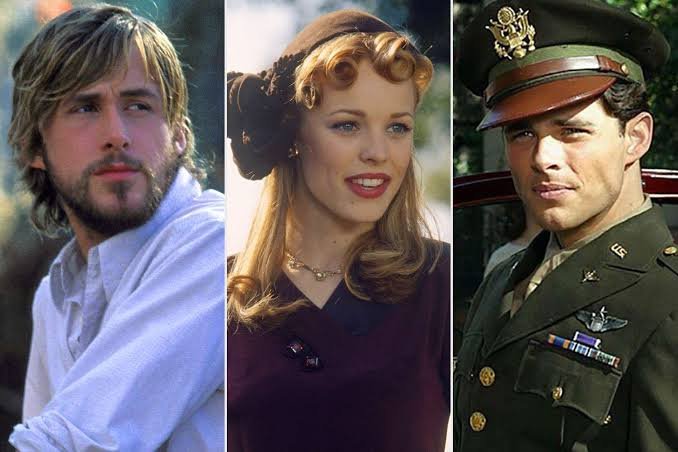
The Notebook (2004), directed by Nick Cassavetes and based on Nicholas Sparks’ 1996 novel of the same name, is one of the most iconic romantic dramas of the 2000s. Starring Ryan Gosling and Rachel McAdams as young lovers Noah Calhoun and Allie Hamilton, alongside James Garner and Gena Rowlands as their older counterparts, the film weaves together two timelines: a passionate summer romance in 1940s South Carolina, and a present-day story of an elderly man reading that romance aloud to a woman suffering from dementia. The film became a defining touchstone of the romantic drama genre, celebrated for its emotional intensity, its handling of memory and aging, and its now-famous rain-soaked kiss between its two young leads.
This summary walks through the film’s structure, plot, characters, and themes in detail, covering both timelines and how they intersect.
The Framing Device: Duke and the Nursing Home
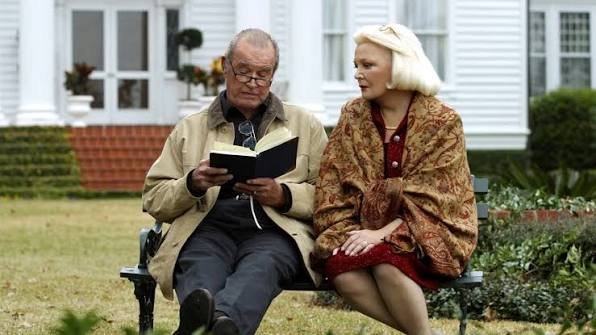
The film opens in the present day, inside a nursing home. An elderly man named Duke, played by James Garner, sits beside a woman, Allie, played by Gena Rowlands, and begins reading to her from a worn notebook. Allie is a resident of the facility suffering from severe memory loss, and she does not recognize Duke, though she listens attentively as he reads. The story he reads becomes the film’s central narrative: the tale of two young lovers named Noah and Allie in the 1940s.
This framing device recurs throughout the film, periodically cutting away from the younger couple’s story to show Duke continuing to read to Allie, occasionally pausing to check on her reactions or to deal with the practical realities of her condition — moments of confusion, occasional resistance, and brief flashes of recognition. The nursing home staff and Allie’s visiting daughter, Anne, express concern about Duke’s daily visits and his insistence on reading the same story to Allie over and over, worried about the toll it’s taking on him. Duke, however, is determined to continue, believing that revisiting their history together might help Allie reconnect with who she was.
The 1940s Romance: Noah and Allie Meet
The story Duke reads takes viewers back to Seabrook Island, South Carolina, in the summer of 1940. Noah Calhoun, a local working-class young man, spots Allie Hamilton, a wealthy young woman visiting for the summer, at a carnival. Smitten immediately, Noah pursues her with a mix of charm and persistence that borders on reckless — including climbing onto a Ferris wheel car while it’s in motion and hanging from it, threatening to let go unless she agrees to go out with him. Allie, both alarmed and intrigued, agrees.
Their first date does not go smoothly. Noah takes Allie to a movie theater, but the outing ends in awkwardness and a misunderstanding that leaves Allie annoyed with him. Despite the rocky start, the two continue seeing each other, and their connection deepens over the course of the summer. They spend their days together exploring the local landscape, including an abandoned, run-down house on the water that Noah is fascinated by and dreams of restoring one day. Their romance builds through a series of increasingly intimate moments: dancing in the middle of a street at night, lying in a field staring at the stars, and eventually, a night spent together on the floor of the empty house, where they profess their love for each other for the first time.
Their relationship faces its first major obstacle in the class divide between them. Allie’s parents, particularly her mother Anne Hamilton, disapprove of Noah because of his working-class background and lack of prospects. As the summer draws to a close, tensions escalate. In one of the film’s most quoted sequences, Noah and Allie have an explosive argument in the rain after Allie catches Noah with something he’s kept hidden from her — a stack of love letters he wrote to her that her mother intercepted and never delivered. The argument turns into one of cinema’s most famous romantic scenes, as the couple’s anger dissolves into passion, culminating in a kiss in the pouring rain.
Despite their reconciliation, Allie’s mother forbids the relationship, viewing Noah as a poor match for her daughter’s future, and the summer ends with Allie being taken back home by her parents. The two make a plan to write to each other, with Noah promising to write every day.
Separation and the War Years
After Allie returns home, Noah writes to her faithfully, sending letter after letter. Unbeknownst to Noah, Allie’s mother deliberately intercepts these letters and hides them, ensuring that Allie never receives a single one. Believing that Noah has simply stopped writing and moved on, Allie is left heartbroken, while Noah, receiving no replies, eventually gives up hope that she still loves him.
The story then jumps ahead, showing that World War II has begun. Noah enlists and is sent overseas, while his closest friend, Fin, is killed in combat. Noah returns home to South Carolina after the war deeply changed by his experiences and his enduring grief over losing Allie. He devotes himself to fulfilling the dream he and Allie once shared: restoring the old house on the water they had visited together during their summer romance, essentially rebuilding it plank by plank as a monument to a love he still hasn’t let go of, even though he believes it to be permanently lost.
Meanwhile, Allie has moved on with her life in a more conventional direction. She becomes involved with a wealthy, charming young man named Lon Hammond, a lawyer from a prominent family, and the two eventually become engaged. Lon is presented as a fundamentally decent man — not a villain, but simply the “safe” choice that Allie’s family and social circle expect of her, in contrast to the passionate uncertainty she experienced with Noah.
Reunion
The turning point of the film’s central romance arrives when Allie sees a newspaper article about Noah’s completed restoration of the house, accompanied by a photograph. Struck by the sight of it and the memories it stirs, she decides to visit Seabrook one more time before her wedding to Lon, ostensibly just to see the house, though it becomes clear she is also seeking closure — or perhaps something more — regarding her feelings for Noah.
When Allie arrives at the restored house, she and Noah are both stunned to see each other again after so many years apart. The reunion is awkward and charged, as both attempt to navigate the reality that their old feelings have not disappeared despite the years and the choices they’ve each made since. Noah shows Allie around the finished house, which mirrors almost exactly what they had once dreamed about together during their summer romance, right down to details Allie herself had described wanting.
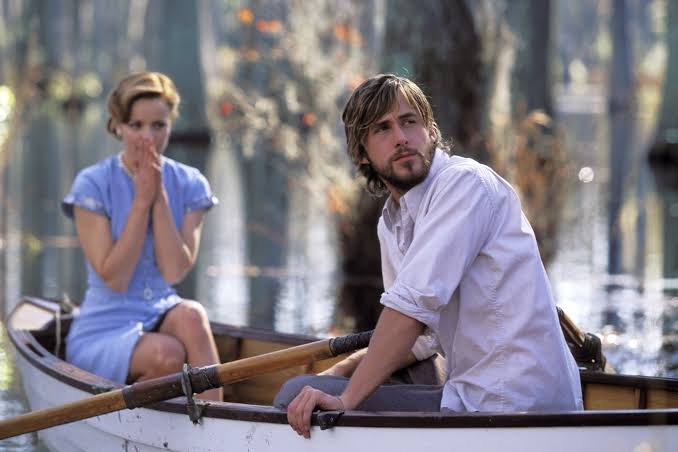
Over the course of Allie’s visit, the two spend time together — including a moment canoeing on the water where they encounter a flock of swans, echoing an earlier promise Noah made her during their courtship — and their old connection reignites. That night, during a storm, Allie ends up staying at Noah’s house, and the two rekindle their romance and sleep together, both understanding that this reunion is forcing Allie to confront the choice she’s about to make regarding her engagement to Lon.
The next morning, Lon unexpectedly arrives in town, having grown suspicious about Allie’s trip and eager to surprise her by helping with wedding preparations. His arrival forces Allie into an immediate, painful decision between the safe, comfortable life she’s built with Lon and the passionate, uncertain love she still feels for Noah. Complicating matters further, Allie’s mother, Anne, appears as well, and in a quiet, unexpected scene, admits to Allie that she once had her own passionate summer romance with a boy from a similarly different background before she married Allie’s father, revealing the choice she made and the regret she still carries. Rather than pushing Allie toward the safe option as she once did with Noah, Anne encourages Allie to listen to her own heart, having lived with the consequences of not following her own.
Ultimately, Allie chooses Noah, ending her engagement to Lon and committing to the man she never stopped loving, despite the practical and social risks that choice entails.
The Present-Day Storyline Resolves
Throughout the 1940s narrative, the film periodically returns to Duke and Allie in the nursing home. As Duke continues reading, small hints accumulate suggesting that the story he’s reading is, in fact, his and Allie’s own history — that Duke is an older Noah, and the elderly Allie he’s caring for is the same Allie from the story, now suffering from dementia that has erased most of her memories, including, most of the time, her memory of him.
The film confirms this connection gradually. It’s revealed that Duke visits Allie every day, reading their story to her in the hope — supported occasionally by her doctor — that hearing it might trigger moments of lucidity and recognition. Some of these moments do occur: at several points during the film, elderly Allie briefly seems to recognize Duke, calling him by name and recalling fragments of their life together, only for the fog of her condition to descend again minutes later, leaving her frightened and disoriented, unsure of who the man beside her is.
These moments are devastating for Duke, who experiences the joy of reconnecting with his wife over and over, only to lose her again each time. Allie’s daughter Anne — revealed to be the daughter of Noah and Allie, and named, poignantly, after Allie’s own mother — worries about the emotional toll this cycle is taking on her father and gently suggests that he may need to let go and accept a facility better equipped for Allie’s declining condition. Duke refuses, insisting on staying by her side despite the pain.
The Ending
The film’s climax arrives during one of Allie’s episodes of clarity. As Duke finishes reading their story once again, Allie experiences a moment of full recognition, remembering Duke as Noah and recalling their entire life together with total clarity. The two share a tender, urgent conversation, aware that this window of lucidity will not last. They dance together in her room, reliving a small piece of the romance that defined their youth, and profess their enduring love for each other, understanding that this may be one of the last times Allie will be present enough to share that connection.
The film’s final scenes suggest that Noah and Allie made a private pact at some point in their marriage: that if one of them were to succumb to a debilitating illness like Allie’s, neither would want to survive the other, choosing instead to pass away together rather than have one partner live on in grief and separation from the person suffering. The implication, conveyed through a quiet, ambiguous final sequence, is that after this last moment of recognition and connection, both Noah and Allie choose to let go together, dying peacefully side by side in their bed.
The film closes on this bittersweet note, reframing everything the audience has watched — both the youthful passion of the 1940s storyline and the aching devotion of the present-day scenes — as one complete, unbroken love story spanning an entire lifetime.
Cast and Characters
Beyond its two central couples, the film’s supporting characters play meaningful roles in shaping its emotional arc.
Fin, Noah’s closest friend, appears primarily in the earlier portion of the 1940s storyline, working alongside Noah at the local lumber mill and offering a grounded, loyal counterpoint to Noah’s more impulsive, romantic nature. His death during the war becomes one of the quieter but significant sources of Noah’s grief in the years following his return home, deepening the sense of loss that shapes his decision to rebuild the house as a form of healing.
Lon Hammond, Allie’s fiancé, is notable for how the film chooses to portray him. Rather than writing Lon as a cruel or dismissive rival, the film presents him as genuinely kind, attentive, and devoted to Allie, which raises the emotional stakes of her decision considerably. Allie’s choice to leave Lon isn’t framed as an escape from mistreatment, but as a difficult, even unfair, decision to prioritize an uncertain, harder love over a secure, comfortable one — a choice that costs Lon real pain despite his having done nothing wrong.
Anne Hamilton, Allie’s mother, initially functions as the film’s primary obstacle, forbidding the relationship between Noah and Allie out of concern for her daughter’s future and social standing. Her late revelation — that she once loved a boy from a similarly different background and chose security over passion, a decision she has quietly regretted for decades — recontextualizes her earlier disapproval, transforming her from a straightforward antagonist into a more sympathetic figure whose own unresolved history directly shapes the story’s climax.
Anne, Noah and Allie’s adult daughter in the present-day timeline, serves as the audience’s entry point into understanding the toll of Allie’s illness on the family. Her scenes with Duke reveal the practical and emotional strain of caregiving, including her concern that her father’s daily visits and insistence on reading their story may be doing him more harm than good, adding a layer of realism to the film’s otherwise heightened romantic tone.
Production Background
The Notebook was adapted from Nicholas Sparks’ debut novel, published in 1996, which was itself inspired by the real-life relationship between Sparks’ wife’s grandparents, a couple who remained devoted to each other well into old age. Director Nick Cassavetes took over the project in part due to a personal connection to the material: his own mother, actress Gena Rowlands, was cast as the elderly Allie, giving the film’s central relationship between mother and director an added layer of significance behind the scenes.
The casting of Ryan Gosling and Rachel McAdams as the younger Noah and Allie proved pivotal to the film’s success, with their on-screen chemistry becoming one of the most discussed aspects of the production, despite reports that the two did not initially get along during filming. James Garner, cast as the elderly Noah, brought a weathered, understated gravity to the role that grounded the film’s more melodramatic present-day scenes, while Rowlands’ performance as an Allie slipping in and out of lucidity was widely praised as one of the more emotionally demanding portrayals of memory loss in mainstream film at the time.
Upon release, The Notebook received mixed reviews from critics, many of whom found its sentimentality heavy-handed, but it became a significant commercial success and has since grown into something closer to a cultural institution, frequently cited in polls and lists of the most romantic films ever made. Its home video afterlife proved especially significant, with the film gaining a devoted following well beyond its theatrical run.
Themes and Legacy
The Notebook is built around several recurring themes that account for its lasting popularity. Chief among them is the tension between practicality and passion, embodied by the choice Allie faces between Lon’s stability and Noah’s uncertain devotion — a choice the film ultimately validates by suggesting that a life built on genuine love, however difficult, is worth more than one built on comfort alone.
The film is equally concerned with memory, aging, and devotion, using Duke and Allie’s present-day story to ask what love looks like once passion has been tested by decades of marriage, hardship, and, ultimately, illness. Rather than treating the young, dramatic 1940s romance as the “real” love story and the nursing home scenes as a sad epilogue, the film frames Duke’s daily devotion to a wife who often doesn’t recognize him as the truest expression of the love that began on Seabrook Island — arguably a deeper act of commitment than anything shown in their youth.
Since its release, The Notebook has become a cultural shorthand for grand romantic gestures and devoted love, frequently referenced in discussions of the “perfect” love story despite — or perhaps because of — its bittersweet ending. Ryan Gosling and Rachel McAdams’ performances, along with the film’s rain-kiss scene, remain some of the most referenced and parodied images in modern romantic cinema, and the film continues to be regarded as one of the defining romantic dramas of its era.