Best Sci-Fi Movies of All Time: 25 Films That Redefined the Genre
Science fiction has always been cinema’s laboratory for big ideas. It’s the genre where filmmakers get to ask “what if?” on the grandest possible scale — what if machines became smarter than us, what if we made contact with another species, what if time itself could be bent, broken, or looped. Over the past century, sci-fi has given us some of the most visually inventive, emotionally resonant, and philosophically ambitious films ever made.
Picking the “best” sci-fi movies of all time is never an exact science (pun intended). Tastes differ, decades shift the cultural conversation, and every generation crowns its own classics. But certain films keep appearing on every serious list because they didn’t just entertain audiences — they changed how movies could be made, how stories could be told, and how we think about the future.
This list blends critical acclaim, cultural impact, and genuine rewatchability. It spans nearly a century of filmmaking, from silent-era spectacle to modern blockbusters, and includes hard sci-fi, space opera, cyberpunk, time travel, and first-contact stories. Here are 25 films that represent the very best the genre has to offer.
What Makes a Sci-Fi Movie “Great”?
Before diving into the list, it’s worth thinking about what separates a merely fun sci-fi movie from a truly great one. The best entries in the genre tend to share a few qualities:
- A strong central idea. Great sci-fi isn’t just about spaceships and laser guns — it uses speculative technology or scenarios to explore something true about human nature, society, or morality.
- Visual imagination. Sci-fi is one of the few genres where the visuals themselves can be the point — inventing worlds, creatures, and machines that audiences have never seen before.
- Staying power. The best sci-fi films tend to get more interesting with age, either because their ideas were ahead of their time or because they predicted real technological and social shifts.
- Emotional core. The films that endure aren’t just intellectually interesting — they connect with audiences on a human level, whether through a story about family, loss, identity, or connection.
With that framework in mind, let’s get into the list.
1. 2001: A Space Odyssey (1968)
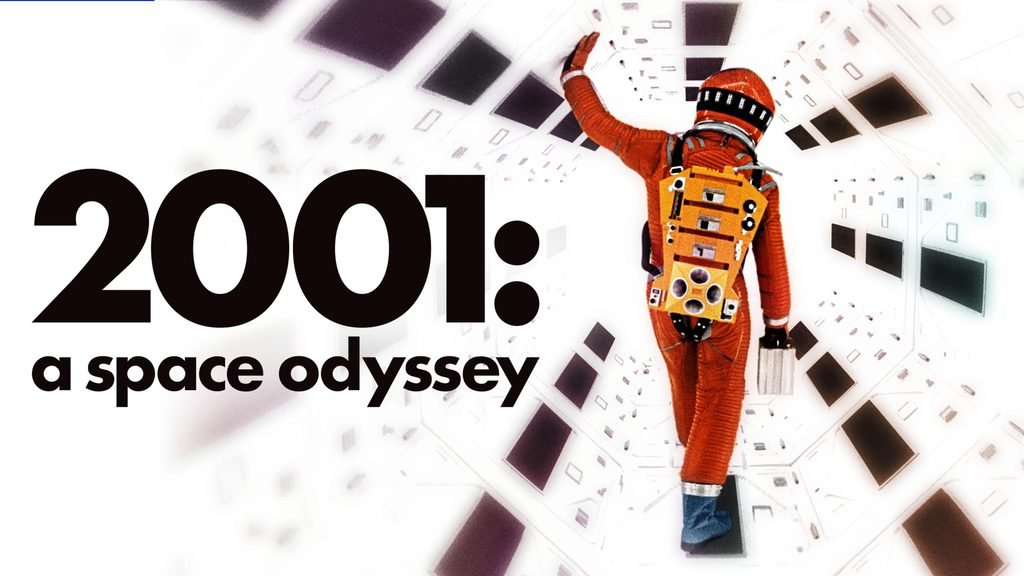
Stanley Kubrick’s meditative epic remains the gold standard for ambitious, philosophical science fiction. With minimal dialogue and a narrative that stretches from the dawn of man to the far reaches of space, the film tackles evolution, artificial intelligence, and the limits of human understanding. HAL 9000, the calm, calculating onboard computer, remains one of cinema’s most unsettling antagonists precisely because he never raises his voice. The film’s visual effects, created without CGI, still hold up more than five decades later.
2. Blade Runner (1982) and Blade Runner 2049 (2017)
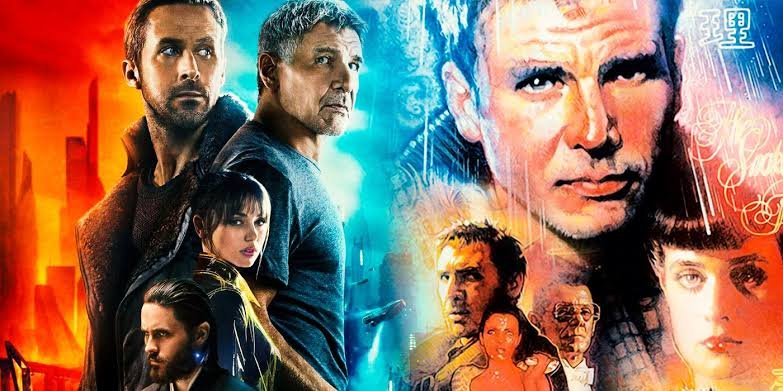
Ridley Scott’s neo-noir vision of a rain-soaked, neon-lit future asked a question that still haunts science fiction today: what does it mean to be human? Its slow-burn pacing and moody atmosphere alienated some audiences on release, but it has since become one of the most influential films ever made, shaping the visual language of cyberpunk for decades. Denis Villeneuve’s 2017 sequel, Blade Runner 2049, is a rare case of a follow-up living up to — and in some ways surpassing — its predecessor, expanding the world with stunning cinematography and an equally contemplative tone.
3. Star Wars: Episode IV – A New Hope (1977)

George Lucas didn’t just make a movie; he built a mythology. Star Wars fused space opera with classic hero’s-journey storytelling, and its blend of practical effects, groundbreaking sound design, and a memorable cast turned it into a cultural phenomenon that spawned an entire industry of sequels, spin-offs, and merchandise. Its influence on blockbuster filmmaking is nearly impossible to overstate.
4. The Matrix (1999)
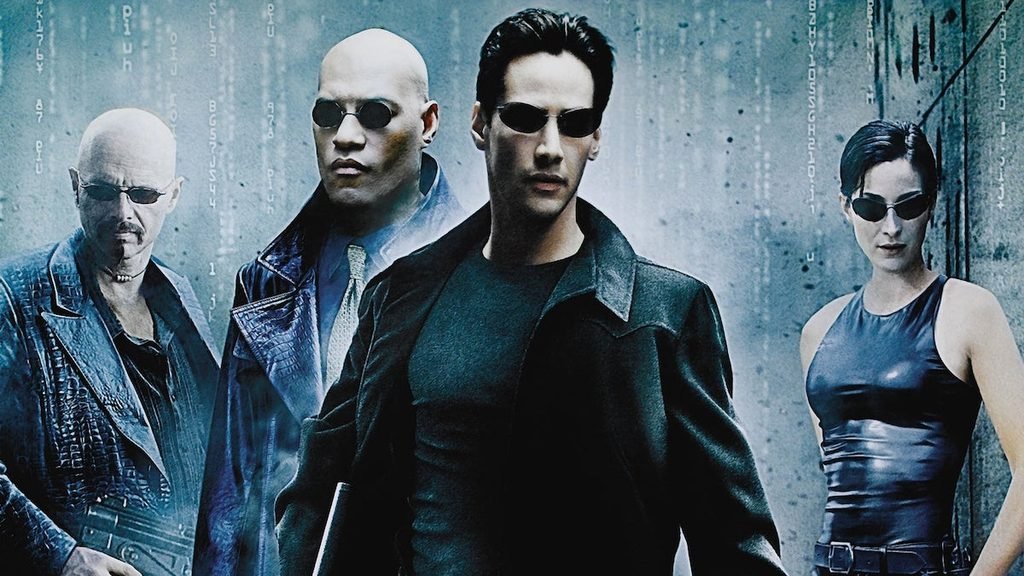
The Wachowskis’ cyberpunk masterpiece asked audiences to question the nature of reality itself, wrapping heady philosophical concepts in groundbreaking action choreography and visual effects. “Bullet time” became an instant cultural touchstone, and the film’s themes about simulated reality feel even more relevant in today’s world of AI and digital immersion.
5. Alien (1979) and Aliens (1986)
Ridley Scott’s Alien proved that science fiction and horror could merge into something genuinely terrifying, using claustrophobic set design and a slow-building sense of dread to create one of cinema’s most iconic monsters. James Cameron’s 1986 sequel, Aliens, took the story in a different direction entirely, transforming it into a tense, adrenaline-fueled war movie while introducing one of the genre’s most memorable heroines in Ellen Ripley.
6. E.T. the Extra-Terrestrial (1982)
Steven Spielberg’s tender story of a boy and the stranded alien he befriends remains one of the most emotionally affecting science fiction films ever made. Rather than focusing on spectacle, E.T. uses its fantastical premise to explore childhood loneliness, family, and empathy, proving that sci-fi doesn’t need to be dark or dystopian to leave a lasting impact.
7. Terminator 2: Judgment Day (1991)
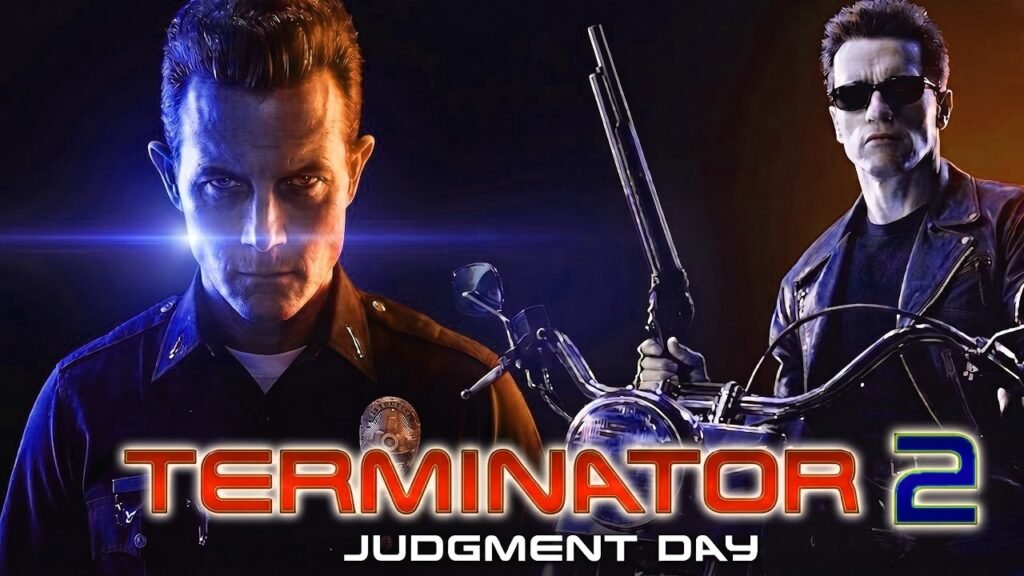
James Cameron’s sequel to his own 1984 original is widely considered one of the greatest sequels ever made in any genre. Groundbreaking CGI combined with practical effects to bring the liquid-metal T-1000 to life, while the film’s emotional throughline — a machine learning what it means to protect and even love — gave the action spectacle real heart.
8. Jurassic Park (1993)
Spielberg struck again a decade after E.T. with a film that redefined what was possible with computer-generated visual effects. Beyond the technical achievement, Jurassic Park is a cautionary tale about scientific hubris that still resonates in an age of genetic engineering and rapid technological change.
9. Arrival (2016)
Denis Villeneuve’s cerebral first-contact story flips the typical alien-invasion formula on its head, centering the story on a linguist trying to communicate with an alien species rather than a soldier trying to fight one. Its exploration of language, time, and choice culminates in an emotional twist that rewards repeat viewings.
10. Interstellar (2014)
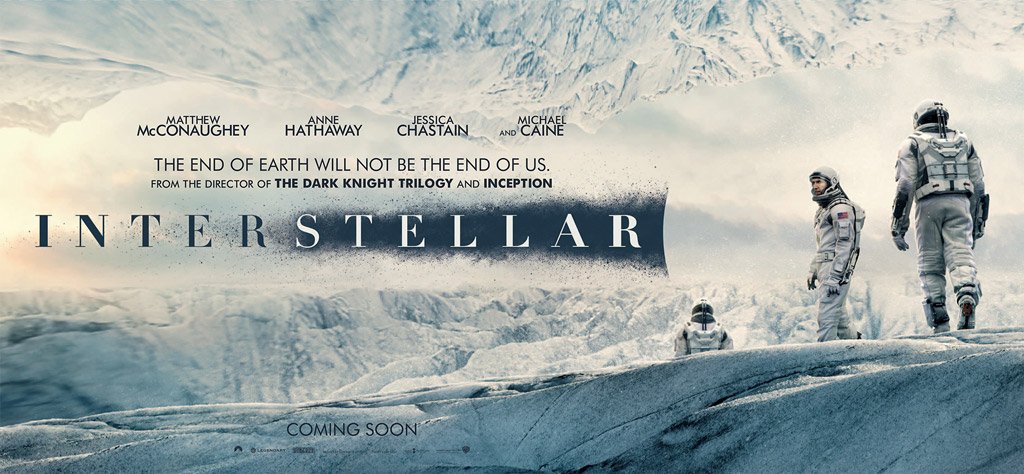
Christopher Nolan’s ambitious space epic combines hard science — including real theoretical physics consulting — with an emotionally driven story about a father trying to save his family and, by extension, humanity itself. Its exploration of relativity, black holes, and love as a force that transcends dimensions makes it one of the more scientifically grounded blockbusters of the modern era.
11. Inception (2010)
Nolan’s other major contribution to modern sci-fi is this dream-heist thriller, which layers reality within reality to explore grief, guilt, and the fragility of memory. Its ambiguous ending has fueled endless debate, and its inventive visual approach to dream logic — folding cities, zero-gravity fight scenes — remains a technical high point for the genre.
12. The Day the Earth Stood Still (1951)
A product of Cold War anxiety, this early classic uses an alien visitor’s warning about humanity’s violent tendencies to comment on nuclear weapons and geopolitical tension. Its restrained, thoughtful approach set a template for socially conscious science fiction that many later films would follow.
13. Metropolis (1927)
Fritz Lang’s silent-era masterpiece is often cited as the first true science fiction epic. Its towering, expressionist vision of a futuristic city divided between wealthy elites and an oppressed working class established visual and thematic templates — dystopian cities, robotic doubles, class struggle — that sci-fi filmmakers still draw on today.
14. Back to the Future (1985)
Robert Zemeckis’s time-travel adventure remains one of the most purely entertaining films ever made in the genre. Its tight plotting, clever handling of paradoxes, and irresistible chemistry between Michael J. Fox and Christopher Lloyd make it a rare sci-fi film that appeals equally to casual viewers and genre purists.
15. Children of Men (2006)
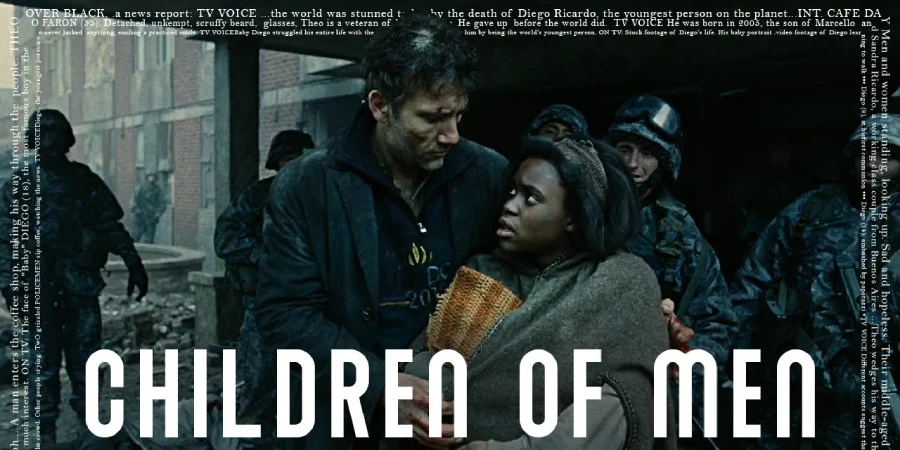
Alfonso Cuarón’s bleak, immersive vision of a near-future world ravaged by infertility is a masterclass in tension and technical filmmaking, featuring some of the most celebrated long takes in modern cinema. Its themes of hope amid societal collapse feel increasingly relevant with each passing year.
16. District 9 (2009)
Neill Blomkamp’s found-footage-influenced debut uses an alien-refugee premise as a pointed allegory for apartheid and xenophobia. Its combination of gritty, documentary-style realism with genuinely inventive alien technology and creature design made it a breakout critical and commercial success on a relatively modest budget.
17. Close Encounters of the Third Kind (1977)
Spielberg’s other major sci-fi contribution from the same year as the original Star Wars takes a wonder-filled approach to first contact, treating an alien visitation not as a threat but as an awe-inspiring, almost spiritual event. Its iconic musical communication sequence remains one of the most memorable scenes in the genre’s history.
18. Planet of the Apes (1968)
This classic uses its startling premise — astronauts crash-landing on a planet ruled by intelligent apes — to deliver sharp social commentary on race, nuclear war, and human arrogance. Its famous twist ending has become one of the most referenced and parodied moments in film history.
19. A Clockwork Orange (1971)
Kubrick’s disturbing, stylized adaptation of Anthony Burgess’s novel imagines a near-future Britain grappling with youth violence and the ethics of behavioral conditioning. Its unflinching exploration of free will versus state control remains controversial and thought-provoking decades after release.
20. Mad Max: Fury Road (2015)
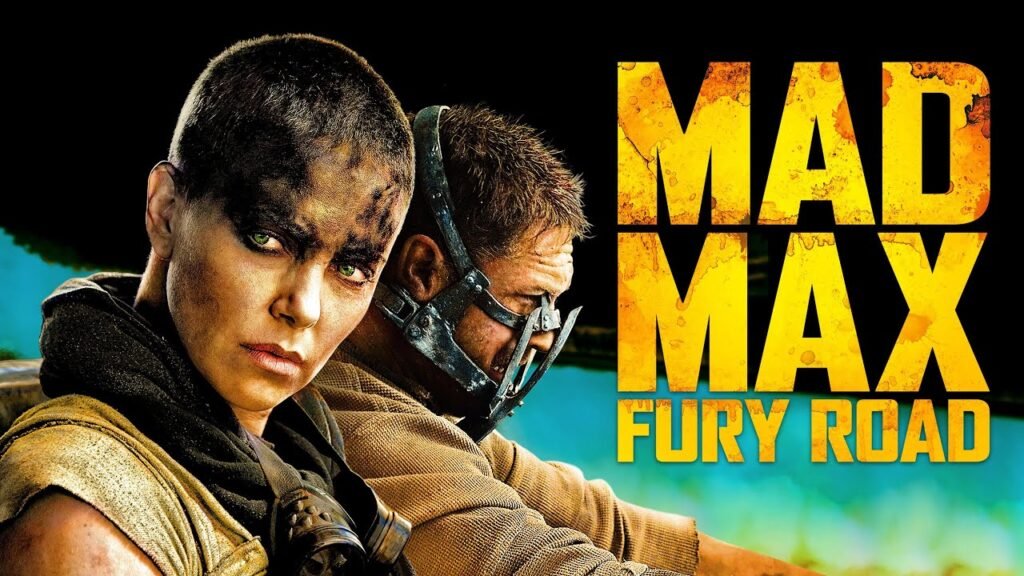
George Miller’s reinvention of his own post-apocalyptic franchise is often cited as one of the greatest action films ever made, sci-fi or otherwise. Its practical stunt work, striking desert cinematography, and surprisingly rich thematic undercurrents about tyranny and liberation elevate it well above typical action fare.
21. Solaris (1972)
Andrei Tarkovsky’s slow, contemplative adaptation of Stanisław Lem’s novel is often positioned as the Soviet answer to 2001: A Space Odyssey. Rather than focusing on technology, Solaris uses its story of a sentient ocean-planet to explore memory, grief, and the limits of human understanding — proving that sci-fi can be as introspective as any drama.
22. Edge of Tomorrow (2014)
Loosely based on a Japanese light novel, this time-loop action film pairs Tom Cruise and Emily Blunt in a story about an untrained soldier forced to relive the same brutal alien-invasion battle over and over. Its clever structure, sharp humor, and genuinely inventive action sequences make it one of the most purely enjoyable sci-fi films of the 2010s.
23. Wall-E (2008)
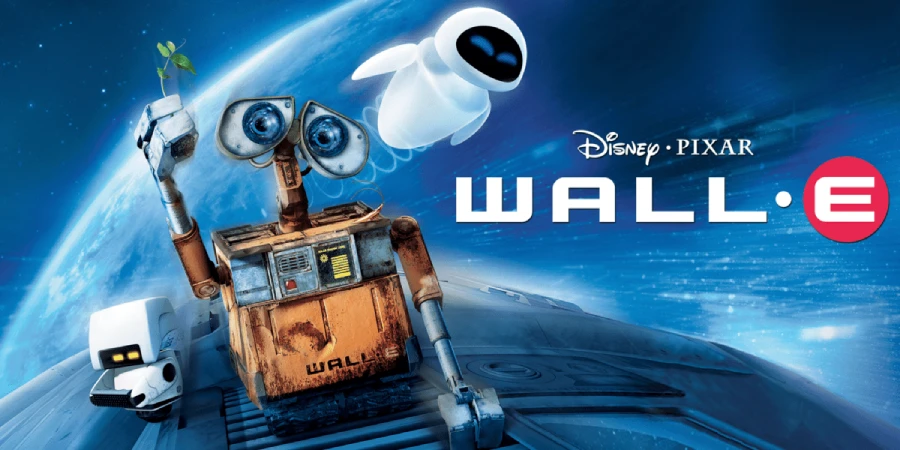
Pixar’s nearly wordless environmental fable follows a lonely trash-compacting robot on an abandoned, polluted Earth. Its first act is a masterclass in visual storytelling, and its gentle but pointed commentary on consumerism and environmental neglect gives it surprising depth for a film aimed at family audiences.
24. Star Trek II: The Wrath of Khan (1982)
Widely considered the best entry in the Star Trek film franchise, Wrath of Khan combines a compelling villain, genuine emotional stakes, and thoughtful meditations on aging and sacrifice. Its climactic moments remain among the most quoted and referenced in all of science fiction cinema.
25. Everything Everywhere All at Once (2022)

This genre-bending multiverse story proved that ambitious, original science fiction could still find massive commercial and critical success in the modern blockbuster landscape. Blending absurdist comedy, martial arts, and genuine emotional depth about family and generational trauma, it swept award season while reinventing what a “multiverse movie” could look like.
Honorable Mentions
Narrowing down nearly a century of filmmaking to 25 titles inevitably means leaving out beloved films. A few more worth seeking out: The Thing (1982) for its paranoid, practical-effects-driven horror; Minority Report (2002) for its prescient look at predictive policing and surveillance; Gattaca (1997) for its understated exploration of genetic determinism; Dune (2021) for its awe-inspiring scale and world-building; Her (2013) for its intimate look at AI and human connection; and The Fifth Element (1997) for its wildly colorful, maximalist vision of the future.
Why These Films Still Matter
What ties this eclectic list together isn’t just spaceships or robots — it’s ambition. Every film here took a risk, whether that meant Kubrick building an entire narrative around silence and ambiguity, Cameron pushing visual effects technology to its breaking point, or the Daniels turning a multiverse story into an ode to family reconciliation. Science fiction, at its best, isn’t really about predicting the future. It’s about using imagined futures, alien worlds, and impossible technologies to say something true about who we are right now.
That’s why these films continue to resonate decades after release, and why new sci-fi classics keep emerging even in a crowded modern movie landscape. As technology accelerates in the real world — AI, genetic engineering, space exploration — the questions these films raised only become more urgent, ensuring that the best of the genre will keep finding new audiences for generations to come.
Final Thoughts
Ranking the best sci-fi movies of all time will always spark debate, and that’s part of the fun. Whether you’re a longtime fan revisiting old favorites or a newcomer looking for a starting point, this list offers a solid roadmap through nearly a century of visionary filmmaking. From the meditative grandeur of 2001: A Space Odyssey to the emotional multiverse chaos of Everything Everywhere All at Once, these films prove that science fiction remains one of cinema’s most powerful tools for exploring what it means to be human.